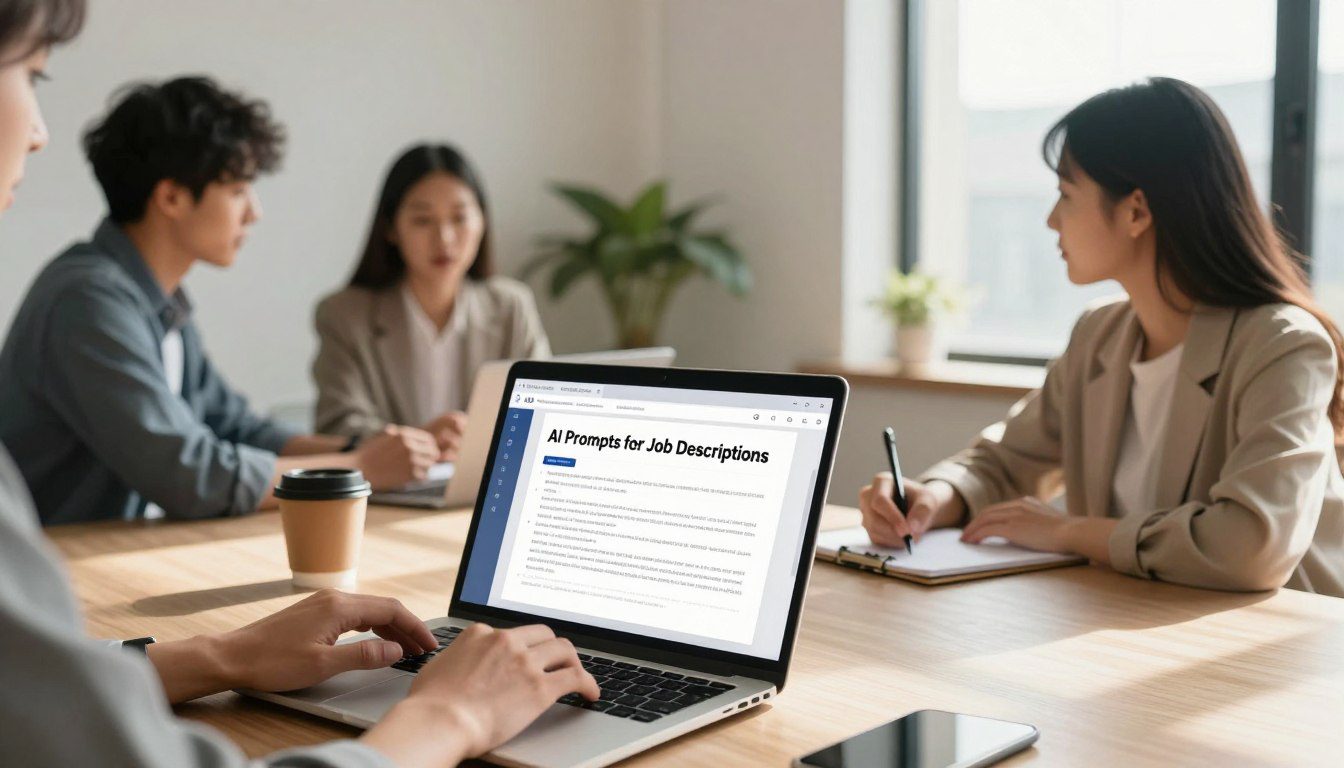
Save time with AI prompts for writing job descriptions
Did you know the average hiring manager can spend over 10 hours manually drafting a single, effective hiring document? That’s a massive chunk of your week gone before you even start reviewing candidates.
This manual effort is what modern tools are designed to eliminate. Platforms like Jasper offer automated suggestions for job titles and key requirements, transforming a hours-long task into one that takes minutes.
You can reclaim that lost time. By leveraging this technology, you ensure your hiring documents remain professional and engaging. The software handles the initial draft, letting you focus on the human elements of your search.
It streamlines your entire recruitment process. You get a high-quality document that attracts the right talent in a competitive market. This is how efficient teams operate today.
Key Takeaways
- Automated tools drastically reduce the time needed to create hiring documents.
- They help you define a role’s core requirements with clarity and speed.
- You gain access to intelligent suggestions for job titles and professional phrasing.
- Integrating this technology lets you concentrate on interviewing and connecting with candidates.
- A compelling, well-crafted document is key to standing out and attracting top talent.
- Modern recruitment demands this level of efficiency to stay competitive.
- You can streamline your entire hiring workflow from the very first step.
Introduction to AI-Powered Job Descriptions
Thousands of talent professionals are already embracing a faster way to create hiring documents. This shift is transforming the entire recruitment landscape.
Instead of spending hours on research and writing, modern technology delivers a complete draft in moments. It’s a fundamental change in how companies approach talent acquisition.
The Shift to AI in Recruitment
Smart tools now handle the heavy lifting of drafting a standard job description. What once took a full day can be accomplished in seconds.
This evolution in the hiring process removes a huge administrative burden. Your team can focus on connecting with candidates, not on composing a basic posting.
Utilizing intelligent prompts ensures each document reflects your organization’s specific needs. The result is a precise and professional description every time.
As this technology advances, generating high-quality content quickly will become the norm. Efficient teams are making this shift right now to stay competitive.
Benefits of Using AI for Job Descriptions
What if you could delegate the initial draft of a critical hiring document to a virtual panel of experts? The advantages go far beyond simple convenience.
This approach transforms a tedious task into a strategic asset. You gain clarity and speed from the very first step.
Save Time and Boost Efficiency
Intelligent tools cut through the clutter. You get a polished draft ready for review, even on your busiest day.
This saves you valuable hours. Your focus can shift to interviewing and connecting with people.
The automation handles repetitive phrasing and structure. You ensure every posting is consistent and professional.
Attract Top Talent with Enhanced Content
These platforms act like a panel of industry veterans. They help identify key skills and requirements you might overlook.
A well-crafted description resonates with ambitious professionals. It clearly outlines the impact and expectations of the role.
This precision helps your team find the perfect fit faster. You attract candidates who are truly qualified and engaged.
| Aspect | Manual Process | AI-Assisted Process |
|---|---|---|
| Time Investment | Hours of writing and editing | Minutes to generate a draft |
| Expertise Leveraged | Limited to your knowledge | Taps into industry standards |
| Consistency | Varies with each writer | Professional tone every time |
| Focus for Your Team | Drains resources from recruiting | Frees you to screen applicants |
Crafting Your AI Prompts for Writing Job Descriptions
A precise and detailed prompt is the secret to a tailored and effective job ad. Think of it as the blueprint for your entire hiring document. The quality of your final posting hinges entirely on the instructions you provide upfront.

Designing Effective and Precise Prompts
Specific language in your initial instructions provides a clear understanding of the role to candidates. You need to describe responsibilities and requirements in great detail. This clarity ensures the generated content is accurate and compelling.
Focus on the key qualifications when you create job description content. This keeps the output brief and relevant to your target audience. A well-structured prompt acts as the foundation for a successful hiring campaign.
Using precise input allows you to tailor the tone and style of your posting. It can match the unique culture of your organization. Tools like Jasper can help you craft a document that aligns with your company values, provided your instructions are concise and clear.
Your initial guidance sets the stage for everything that follows. Make it count by being thorough and direct. This approach ensures you attract the most qualified applicants from the start.
Key Components of a High-Quality Job Description
A powerful hiring tool starts with a comprehensive outline of what the position truly entails. Begin with a concise role summary. This opening snapshot helps candidates and your internal team grasp the core purpose immediately.
Next, clearly separate your must-haves from your nice-to-haves. Split qualifications into required and preferred lists. This gives applicants a realistic roadmap to evaluate their own fit.
Detail the essential skills and requirements needed for success. A precise list ensures you screen for individuals who can contribute from day one. This clarity attracts the right talent directly.
Your final document should be professional and thorough. Including detailed information makes your posting stand out. It signals that you value quality and are serious about finding the perfect match.
Step-by-Step Guide to Creating AI-Generated Job Descriptions
The journey from a blank page to a polished job ad is simpler than you think. Let’s walk through each stage together.
Choosing the Right AI Tool
Start by selecting a platform that fits your needs. Popular options like ChatGPT are widely accessible for quick drafting.
Google Bard is another strong choice. It pulls current search data to inform your document.
For a comprehensive hiring suite, consider tools like Discovered. They handle screening and assessments for your open role today.
Writing and Refining Your Prompt
Your initial instructions are crucial. Be specific about required qualifications, like 2+ years experience.
This precision leads to better results. You can even request multiple examples of job titles to find the perfect match.
Refine your prompt after seeing the first version. Ensure it aligns with your team’s overall strategy.
Editing for Clarity and Impact
Always review the generated text. Automated tools might include inaccurate statements that need correction.
This human touch guarantees a professional final product. Your goal is a clear, compelling document.
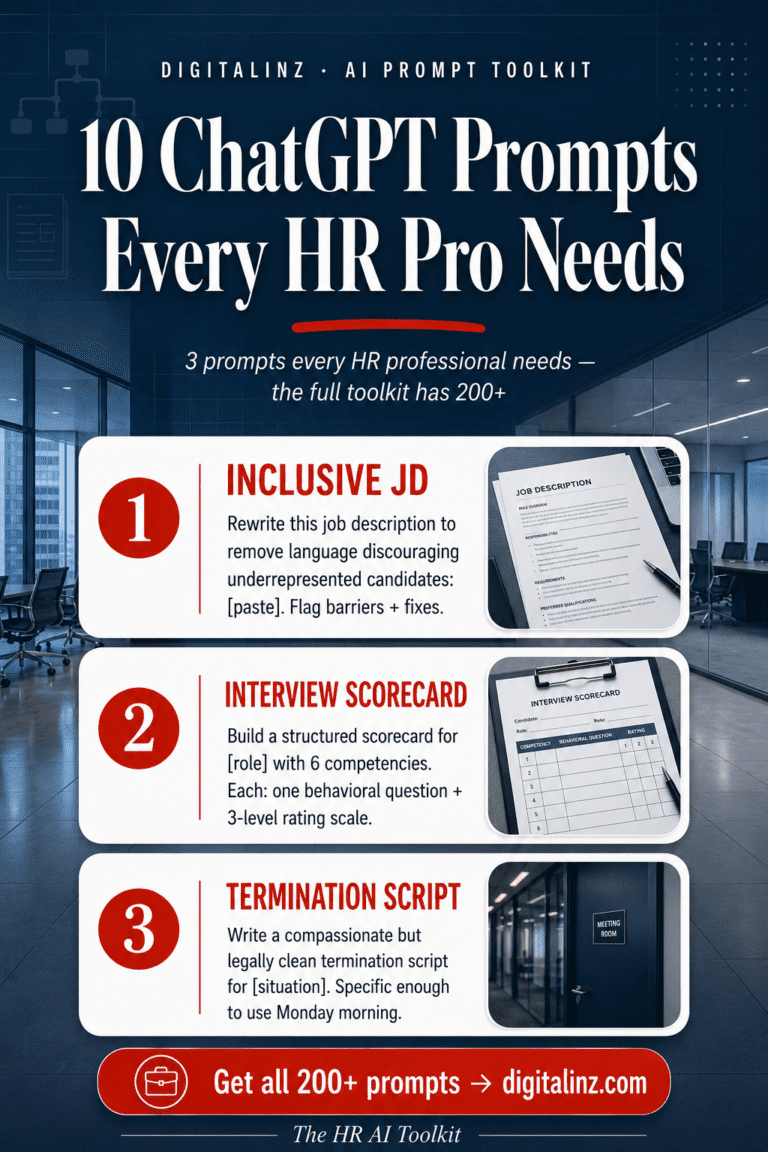
Writing job descriptions that attract the right candidates is harder than it looks. The HR AI Toolkit includes prompts specifically for that — helping you write clear, compelling JDs that speak to who you’re actually looking for.
By following this process, you leverage the ability of modern technology. You’ll produce a hiring tool that attracts top-tier candidates.
Optimizing Your Job Descriptions for SEO
Integrating search engine principles transforms a static listing into a dynamic talent magnet. Your goal is to be found by the right people at the right time.

A smart content strategy does more than just list duties. It ensures your posting appears when qualified candidates are actively looking.
Distributing Keywords Naturally Across Content
Weave relevant terms into your role summary and required skills. This helps search engines understand and rank your content effectively.
Use language that your target audience actually uses. This makes the description feel authentic and engaging to potential applicants.
By focusing on the needs of your audience, you create content that ranks well and converts readers. This approach expands the reach of your hiring efforts.
Leveraging Industry Data and Trends in Job Descriptions
Imagine your job posting not as a static list, but as a living document shaped by real-time market intelligence.
Staying current with your field’s latest movements is crucial. This knowledge directly informs your content strategy.
Analyzing Current Market Needs
Using fresh industry data lets you align your offer with what talent actually seeks. This keeps you competitive.
You can identify which skills are in highest demand right now. Your posting then highlights these key areas.
| Aspect | Traditional Approach | Data-Informed Approach |
|---|---|---|
| Research Basis | Internal assumptions | Live industry reports |
| Skill Emphasis | Fixed, historical list | Prioritizes trending competencies |
| Salary Benchmarking | Guesswork or old data | Current market rate analysis |
| Candidate Appeal | May feel outdated | Speaks to modern expectations |
This method ensures your open role is framed correctly for today’s market.
Adjusting to Audience Preferences
Understanding your target audience is essential. Modern tools can research what resonates with them.
You can then tailor your description’s language and benefits. This speaks directly to candidate needs.
The final document stands out in a crowded field. You achieve better results by connecting on a deeper level.
AI prompts for writing job descriptions: Real-World Case Studies
Real-world success stories from top firms reveal the tangible impact of well-structured guidance on recruitment outcomes. Seeing how leading teams operate provides a powerful model for your own process.
Examples from Leading Companies
Experts from Gem highlight key strategies. Einas Haddad, Head of AI Engineering, notes that providing rich context helps the system understand why a candidate should want a specific role.
Lacey Kim, Head of AI Products, recommends a “two-shot” method. You provide examples of successful hiring documents to teach the model your preferred style and content.
This approach helps your company attract recruiters seeking meaningful business impact. Sharing your growth trajectory gives the tool the ability to craft a document that resonates with top-tier candidates.
| Aspect | Generic Description | Context-Rich Description |
|---|---|---|
| Candidate Appeal | Lists basic duties and requirements | Connects the position to the mission of the team |
| Recruiter Perception | Seen as just another open job | Highlights the challenges and impact they will solve |
| Business Alignment | Static, one-size-fits-all version | Dynamic, informed by company goals and market data |
These examples show the best version of a hiring document connects the role to a larger purpose. With 3-5 years experience, a skilled recruiter can instantly spot a generic posting.
They look for content that differentiates your company. Using these real-world methods delivers better results for your target audience today.
Overcoming Challenges in AI Job Description Writing
A polished job description is the result of collaboration between smart technology and skilled professionals. The automated draft is just the starting point. Your expertise turns it into a document that truly represents your open role.
This partnership ensures accuracy and a perfect cultural fit. You guide the tool to produce better results every time.
Addressing Inaccuracies and Gaps
Even the best tools can make mistakes. They might use outdated statistics or miss key industry terms.
Your hiring managers must verify every fact. This review is a non-negotiable part of the process.
Check details like required years of experience or specific product knowledge. This prevents confusion and attracts the right candidates.
For complex technical positions, gaps are common. Skilled recruiters fill these in to create a complete picture.
Maintaining Consistent Tone and Detail
Your organization has a unique voice. Automated content must match your established language and style.
Experienced team members should edit every version. They ensure the tone is consistent from start to finish.
This consistency communicates your company culture effectively. It shows candidates what it’s really like to work with you.
Your ability to refine the output is crucial. It transforms generic text into a compelling story about the position.
This final touch makes your hiring documents stand out. You get professional results that save time and attract top talent.
Conclusion
Ultimately, the goal is to transform how you connect with qualified candidates from the very first touchpoint.
Modern technology provides a powerful method to save time and boost the quality of your hiring documents. A structured approach to your guidance ensures every posting is accurate, engaging, and perfectly tuned for your audience.
Always apply a final human review. This step guarantees accuracy and maintains your company’s unique voice and professional standards.
Leveraging fresh industry data and specific organizational details helps you attract talent truly aligned with your mission. You draw in people who are passionate about your purpose.
Start integrating these strategies into your recruitment workflow today. You will see immediate improvements in your results and overall efficiency.
FAQ
How can AI tools help my hiring process?
What makes a strong prompt for generating a job description?
Should I edit the content created by the software?
How do I make my job posting more visible online?
Can using this technology improve the quality of applicants?
How do companies like Google or Microsoft use these methods?
What are common pitfalls to avoid?
You’ve got the strategy — now you just need the right prompts to back it up. The HR AI Toolkit puts 200+ ChatGPT prompts in your hands, from job descriptions to offer letters to onboarding plans. Less time writing, more time hiring the right people.