
Boost Your Sales with Amazon Listing Optimization AI Prompts
Did you know that sellers using advanced tools save an average of 45 minutes per product analysis? That’s nearly an hour of manual work you can reclaim for every item you manage.
Creating compelling marketplace content is crucial, but it can eat up your day. Traditional methods are slow and often miss key opportunities to connect with customers.
This is where intelligent assistance changes the game. You can leverage specialized prompts to streamline your entire creation process. The right guidance helps you craft descriptions that stand out and convert.
Our comprehensive guide provides the necessary data and strategies. You’ll learn how to generate powerful visuals and defend your brand’s presence. More importantly, you’ll train your tool to understand your specific product context.
This approach is designed for modern sellers who want to maximize reach. We focus on actionable steps based on real-world testing. The goal is to help you spend less time on tedious tasks and more time growing your business.
Key Takeaways
- Effectively launch a new item or improve an existing one on the marketplace.
- Streamline your creation workflow for highly competitive content.
- Generate superior images and protect your brand from unauthorized sellers.
- Train your AI to understand your unique product context for better results.
- Implement proven strategies to save time and increase your conversion rates.
Introduction to AI-Driven Amazon Listing Optimization
What separates a top-selling item from the rest often comes down to its page details. True optimization is a strategic blend of search behavior, platform rules, and human psychology.
It’s about more than just keywords. You must connect with a shopper’s needs and emotions. Your content should guide them naturally from curiosity to confidence.
This is where intelligent assistance proves invaluable. It helps you build a clear information hierarchy. This clarity tells the platform’s algorithm exactly what your product is and who it’s for.
Core principles for a high-converting page include:
- Aligning every word with real buyer intent.
- Structuring details so they are easy to scan and understand.
- Using fresh data to keep your approach current and effective.
By following these principles, you create a page that ranks well and converts visitors. The right prompts can train your tool to master this balance. The result is a listing that attracts consistent organic traffic and builds trust.
Why Optimized Amazon Listings Are Critical for Your Success
Building a successful digital storefront requires more than just listing your items—it demands strategic refinement.
Your detail page is the foundation of your visibility. A well-structured page attracts consistent organic traffic from the marketplace’s search engine. This same quality boosts your paid advertising results.
Higher conversion rates directly improve your Return on Ad Spend (RoAS).
Clear, accurate copy sets the right expectations. This significantly reduces return rates for your product. When visitors know exactly what they’re getting, they’re more likely to be satisfied.
This builds stronger branding and trust. Premium content that addresses specific needs makes your customer feel confident in their choice.
Focusing on the right keywords ensures you’re found by the right people. Success ultimately depends on converting visitors into buyers.
Think of your refined detail page as a 24/7 sales team. It works tirelessly to communicate value and drive conversions without rest.
Step-by-Step Guide to Using AI Prompts for Amazon Listings
Your journey to crafting high-converting detail pages starts with mastering the art of guidance. Think of it as teaching a new team member about your business. The clearer your instructions, the better the results.
Training ChatGPT for Accurate Product Context
You must first provide clear, detailed context. Start by feeding the system specific information about your item. Describe your product’s materials, use cases, and ideal customer.
Include your target audience’s demographics and key pain points. This foundational step ensures the tool understands your unique product and market.
Always list your core features and unique selling points. This helps differentiate your offer from competitors. Building this robust context is an investment for all subsequent tasks.
Crafting Precise and Data-Rich Prompts
The quality of your output depends entirely on your input. A vague prompt yields generic advice. A precise one delivers actionable data.
Structure your requests like a creative brief. Specify the desired tone, length, and primary keywords. Use a numbered list of requirements for consistency across all your pages.
This method turns the assistant into a powerful ally. You’ll get tailored content that resonates with shoppers and boosts visibility. Rich data leads to smarter decisions for your business.
Mastering Amazon Listing Optimization AI Prompts
Moving beyond generic outputs requires a shift in how you communicate with your digital helper. The difference between a useful suggestion and a forgettable one hinges on your specificity and deep business context.
Every effective instruction must specify the exact output format you need. You should always include real, measurable data instead of vague descriptions. For example, provide exact character limits or specific feature comparisons.

Providing competitive context helps the tool understand your product‘s place in the market. For complex tasks, you can chain prompts together. First, ask for analysis, then for a strategy based on that analysis.
Asking the system to explain its reasoning lets you vet the advice. This practice ensures every piece of generated content is sound. By following these principles, you will consistently achieve higher quality results that truly support your sales.
Creating Keyword-Rich Titles and Engaging Bullet Points
Your product’s title is the first impression a potential buyer sees in search results. Your bullet points seal the deal by answering their deepest questions.
Together, they form a powerful one-two punch for your sales page. Mastering both elements is non-negotiable for visibility and conversions.
Front-Loading Primary and Secondary Keywords
Keep your title under 200 characters to meet the latest marketplace rules. Place your most important search term right at the beginning.
This practice, known as front-loading, immediately signals relevance. Weave in secondary keywords naturally to capture broader search intent.
A strong title acts like a magnet for clicks. It tells shoppers exactly what your item is and why they need it.
Balancing Features with Emotional Benefits
Your bullet points should not just be a dry feature list. Each point must connect emotionally with your customer to drive action.
Limit each bullet to 200-250 characters for easy reading. Start with a clear technical feature, then immediately explain its benefit.
For example, “Stainless steel construction” becomes “Enjoy durable, rust-resistant performance that lasts for years.” This balance appeals to both logical and impulse buyers.
| Element | Max Characters | Core Goal | Power Tip |
|---|---|---|---|
| Product Title | 200 | Maximize discoverability & click-through | Front-load the primary keyword |
| Bullet Points | 250 per point | Drive conversions with emotional appeal | Use power verbs like “Discover” or “Transform” |
| Feature Emphasis | N/A | Highlight what sets your product apart | Address a common customer concern first |
| Benefit Connection | N/A | Translate specs into real-life advantages | Answer “What’s in it for me?” clearly |
Aim for five persuasive bullets. They should build a complete story about your item’s value. Always check that your content follows current guidelines to avoid issues.
Developing Compelling Product Descriptions and Backend Keywords
Your backend search terms are a secret weapon. They quietly expand your reach without altering your page’s clean look.
These hidden keywords significantly boost product discoverability. You can include synonyms, abbreviations, and common misspellings here.
Always avoid duplicating terms from your title or bullet points. This maximizes your search reach. Remember the strict 250-byte limit for these terms on Amazon.
Your visible description has a different job. It should reinforce trust and answer lingering customer objections.
Use a storytelling format here. Create desire and highlight your item’s unique value. This well-crafted text acts as the final push to convert a visitor.
| Element | Location | Primary Goal | Key Rule |
|---|---|---|---|
| Backend Search Terms | Hidden from customers | Maximize discoverability | Stay within 250-byte limit |
| Title & Bullet Points | Front and center | Drive clicks & conversions | Use emotional benefit language |
| Product Description | Below the fold | Build trust & close sales | Tell a compelling story |
Prioritize long-tail and hidden keyword opportunities. This captures traffic competitors might miss. Together, a strong description and smart backend keywords make your listings unstoppable.
Enhancing Images and A+ Content for Better Conversion
In a crowded marketplace, superior imagery and compelling brand narratives set you apart. Your visual content and page structure work together to guide shoppers from interest to purchase.
They build credibility and answer unspoken questions. This section shows you how to master both elements.
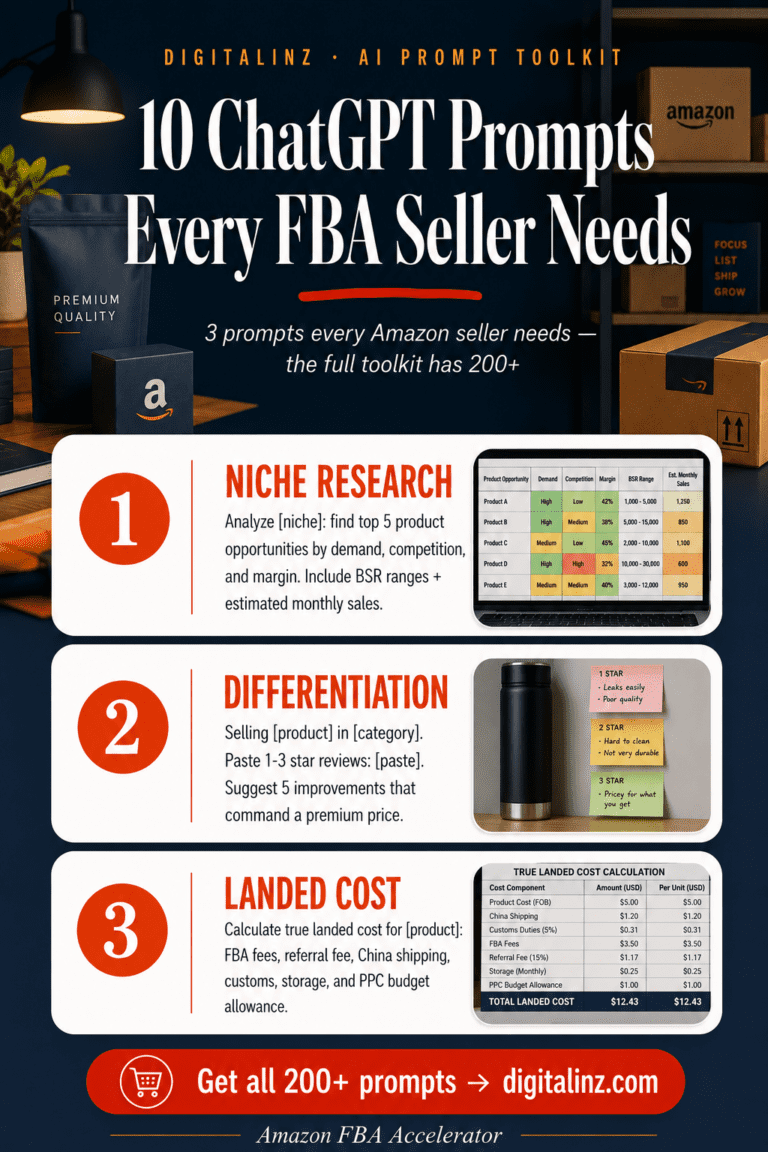
Good prompts make all the difference — and writing them yourself takes time you don’t have. The Amazon FBA Accelerator comes pre-loaded with prompts designed specifically for listing optimization, so you can go from blank page to high-converting copy fast.
Guidelines for Amazon-Compliant Image Enhancements
Your main image is often the first thing a customer sees. It must be professional and meet all platform rules.
Use a pure white background or an approved lifestyle setting. Ensure your product is the clear focal point.
Technical quality is non-negotiable. Your photos should be at least 2000×2000 pixels in a square format. This size ensures clarity and allows for zoom functionality.
Always write descriptive alt-text for every visual. This improves accessibility and helps search indexing. Consider using design tools to refine your concepts quickly.
Structuring A+ Content to Tell Your Brand Story
This premium section lets you go beyond basic details. You can use up to seven modules to craft a persuasive story.
Mix comparison charts, image-text overlays, and feature callouts. This structure highlights your advantages over competitors.
Your narrative should explain why your product exists and who it serves. Good content here builds an emotional connection.
It turns casual visitors into loyal brand advocates. Use this space to share your mission and unique selling points.
Remember, every piece of content should be driven by customer data and intent. A well-planned listing tells a complete story that builds trust and closes sales.
Utilizing AI for Competitor Analysis and Customer Review Mining
Your competitors’ public pages and customer feedback are a treasure trove of free market intelligence. This process turns visible data into a powerful strategic advantage for your business.
You gain insights to refine your offer and capture more sales.
Analyzing Competitor Listings and Pricing Strategies
Start by evaluating your top five rivals. Examine their page quality, pricing position, and overall review strength.
This analysis helps you spot market gaps no other competitor is filling. You can then determine the optimal price points for your own product.

Extracting Actionable Insights from Customer Reviews
Mining 50 to 100 reviews provides statistically meaningful patterns. You’ll see real customer preferences and common complaints.
Identify the top praised features and frequent issues. Use these search insights to adjust your listing and better meet shopper needs.
Intelligent tools can also scan feedback for potential violations. Finding fake content or irrelevant remarks allows for easy removal requests.
Always look for common questions in the feedback. This creates perfect FAQ opportunities for your product description.
Streamlining Your Amazon PPC Strategy with Intelligent Prompts
Smart advertising management can transform wasted clicks into profitable conversions. Your ad budget should work as hard as you do, targeting only the most promising searches.
You can streamline your campaign by using intelligent prompts to analyze your search term reports. This process turns raw data into clear action steps.
First, identify terms with 15 or more clicks and zero sales. These are perfect negative keyword candidates. Also review any campaign where total spend exceeds 35% of attributed sales for potential bid reductions.
Move high-performing terms into exact match campaigns. Look for search terms with three or more conversions and a low ACoS. This focuses your budget on what truly works.
Use your data to suggest bid adjustments for your top ten keywords. Base these changes on actual conversion rates. Chain your analysis prompts to build a logical campaign structure.
Create one exact-match campaign per product theme. Cleaning up wasted spend lets you invest in terms that drive real results. Always include at least 30 days of data from your advertising console for meaningful recommendations.
These tools help you defend your product‘s market position. A refined listing supported by smart ads creates a powerful growth cycle.
Protecting Your Brand with AI-Powered Strategies
Your brand’s hard-earned reputation is a valuable asset that needs active defense. Unauthorized sellers can hijack your page, hurting sales and confusing customers.
Taking swift, professional action is key to maintaining control. Modern tools can help you draft the necessary content and monitor threats in real time.
Implementing Cease and Desist Tactics for Hijackers
If another party lists on your page, send a formal letter immediately. You can use intelligent assistance to generate a professional template.
Clearly state they must remove their offer within 24 hours. Inform them you will escalate to platform support if they fail to comply. This standard tactic often resolves the issue quickly.
Monitoring Competitor Activity Effectively
Stay ahead of new sellers who might undercut your price. Good software alerts you to changes as they happen.
This vigilance ensures you never miss a threat to your brand presence. Watching your competitors helps you protect your primary position for your unique product.
| Defense Action | Key Tool / Method | Desired Outcome |
|---|---|---|
| Draft Cease & Desist | AI-generated template | Quick removal of unauthorized seller |
| Page Monitoring | Real-time alert systems | Immediate awareness of new threats |
| Evidence Collection | Screenshot and sales data | Strong case for support intervention |
| Competitor Price Tracking | Automated software | Maintain competitive pricing strategy |
Implementing Data-Driven Testing and Continuous Listing Improvement
Treat your detail page like a scientific experiment. Each change you make is a hypothesis to test.
This methodical approach is called data-driven testing. It allows you to continuously improve your page for better conversion and search ranking.
Start by testing two different titles for your product. Use the same core keywords but change the focus.
One title should highlight features, while the other emphasizes emotional benefits. Run them simultaneously to see which connects with your audience.
You can apply the same principle to your bullet points. Write alternate sets focusing on different angles.
Try one list that solves specific pain points. Create another that builds a premium brand story.
Building a rotation schedule for your creative tests is crucial. It ensures you know exactly what to change and for how long.
Always track your key metrics over time. This data shows the real impact of every adjustment.
Continuous improvement keeps your content relevant. Customer preferences shift, and your page must evolve.
By using intelligent tools to generate variants, you save hours of manual work. This lets you iterate quickly and maintain high quality.
Good testing isn’t about guessing—it’s about learning from clear data and acting on it.
Follow a simple checklist: test, measure, learn, and optimize. This structured cycle turns your page into a powerful, living asset.
Conclusion
Now that you have the complete toolkit, the real transformation of your sales page begins. A truly effective product presence is about more than appearance. It builds search visibility, drives conversions, and earns customer trust simultaneously.
You can now audit your SEO, rewrite your description, and perfect your page structure. The language you use must feel human and connect with your audience’s needs. Focus on every feature and benefit to make your offer stand out.
Continuous testing with real data will save you time and fuel growth. Start implementing these strategies today. You’ll see a measurable difference in your listings‘ performance and your overall success.
FAQ
Why is optimizing my product page so important for sales?
How can AI tools help me create better content?
What’s the best way to structure my product title?
How do I write bullet points that convince customers?
Can this technology help me with my competitors?
What role do images and enhanced content play?
How can I protect my brand using these strategies?
Listing optimization doesn’t have to take your whole afternoon. With the Amazon FBA Accelerator Prompt Pack, you’ve got a full toolkit of AI prompts built for sellers — ready whenever you need them. Give your listings the edge they deserve.