
Best AI Tools for HR Teams to Boost Your Workflow
Did you know the average HR professional spends nearly 14 hours a week on manual, repetitive tasks? That’s almost two full workdays lost to paperwork and data entry. In today’s fast-paced environment, that time is a precious resource you can’t afford to waste.
Modern human resources departments are under immense pressure. They manage everything from recruitment to employee engagement. Handling these complex demands manually is no longer sustainable.
This guide, refreshed in April 2026, shows you a better way. We explore how modern software automates those tedious chores. This frees your department to focus on what truly matters: your people.
You can reclaim hours every week. Imagine redirecting that energy toward strategic planning and meaningful conversations. Whether you’re a startup founder or a seasoned manager, the right support keeps your organization running smoothly.
It transforms your daily operations. You move from manual data entry to fostering a positive workplace culture. Let’s dive into the solutions that make this shift possible.
Key Takeaways
- HR professionals can save significant time by automating administrative tasks.
- Modern software solutions help manage the complex needs of today’s workforce.
- Freeing up time allows for a greater focus on strategic people management.
- This updated guide helps you find the right support for your organization’s size and goals.
- Transforming daily work from manual to strategic boosts overall efficiency and morale.
- Effective tools prioritize human interaction over routine data processing.
Overview of AI in HR: The Future of Work in 2026
A recent study reveals a stark choice: adapt with new technology or risk falling behind in the race for talent. The human resources function is no longer just about policies and payroll.
It’s becoming a strategic engine for growth. This shift is powered by intelligent systems that handle routine tasks.
Research from AIHR indicates that 76% of HR leaders believe that failing to adopt AI within 1-2 years will leave their teams behind.
The Evolution of HR with AI
The profession is moving from a focus on transactional duties to creating transformational impact. You can now leverage data to drive better business outcomes instead of just compiling reports.
| Old HR Focus | New HR Focus |
|---|---|
| Manual data entry & paperwork | Strategic people analytics |
| Reactive problem-solving | Proactive employee experience |
| Standardized processes | Personalized development paths |
This evolution frees your department to concentrate on meaningful human interactions. The goal is to support your people, not just process their information.
How AI Is Shaping HR Trends
Current trends show this technology is essential. It helps you manage the future of work by streamlining complex internal processes.
By integrating a robust AI platform, you ensure your organization stays competitive. Your employees remain at the center of your strategy.
You must understand how these emerging technologies reshape daily collaboration. They change how your teams execute their work in a digital environment.
Understanding Your HR Workflow Challenges
Is your department constantly playing catch-up with administrative duties instead of driving strategic goals? This friction is a common sign of underlying workflow issues.
Many professionals feel buried by routine tasks. Updating records, answering policy questions, and correcting data errors eat up your day.
This leaves little time for meaningful projects. Your teams need to focus on people, not paperwork.
A major hurdle is scattered employee information. When data lives in separate spreadsheets and systems, accuracy suffers.
You waste hours reconciling discrepancies. This manual process creates delays and frustrates everyone involved.
| Common Challenge | Direct Impact | Strategic Cost |
|---|---|---|
| High-volume administrative tasks | Consumes most of the workweek | Delays talent development programs |
| Fragmented data systems | Leads to reporting errors | Hinders accurate people analytics |
| Manual inquiry handling | Creates service bottlenecks | Prevents focus on culture and retention |
Identifying these specific bottlenecks is the crucial first step. It allows you to target technology that truly supports your teams.
You can then move from reactive problem-solving to proactive management. Understanding these pain points clears the path for a more efficient, automated approach to your daily workflow.
Key Features of Effective AI Tools for HR Teams
The right technology should feel like a natural extension of your department, not a hurdle. Focus on core capabilities that deliver real-world benefits from day one.
AI Automation and Efficiency
Genuine automation is non-negotiable. Powerful platforms handle repetitive tasks like data entry and report generation silently.
This significantly cuts the manual workload. Your staff reclaims hours for strategic projects and people-focused work.
Top solutions provide clear, actionable insights. They move beyond marketing buzzwords to offer practical, data-driven guidance.
User-Friendly Rollout and Setup
A smooth, fast launch is critical. The system should integrate with your current apps without major technical overhauls.
Your teams can start using it within days, not months. Minimal training keeps adoption simple and frustration low.
This approach ensures immediate value. It also solidly supports your organization’s long-term strategic goals.
| Essential Feature | What It Delivers | Impact on Your Team |
|---|---|---|
| Intelligent Automation | Handles routine administrative tasks autonomously | Frees up staff for high-value projects and analysis |
| Seamless Integration | Connects with existing HRIS and communication tools | Reduces setup time, cost, and technical complexity |
| Actionable Analytics | Provides clear, data-driven insights and recommendations | Enables proactive decision-making and planning |
Discover the Best AI Tools for HR Teams
Your organization’s size directly influences the type of software that will serve you best. The market offers a wide range of platforms designed for different stages of growth.
You need solutions that fit your current operational scale. They should also adapt seamlessly as your needs evolve.
Tools Tailored for Small to Large Companies
Consider Kvistly as a standout choice for engaging your staff. It offers a free plan for 10 players per game, with paid options starting at 37 €/month.
This makes it accessible for departments of various sizes. It’s a practical way to introduce interactive elements into your culture.
For smaller organizations, BambooHR provides a comprehensive system. It handles everything from onboarding to detailed reporting for groups of 10-500 employees.
Your teams get a unified platform to manage core people operations. This consolidation reduces complexity and saves valuable time.
Selecting the right tools means finding ones that scale with your company. Your technology stack must remain effective as you grow.
These curated options meet the diverse needs of various companies. They help you manage the entire employee lifecycle while keeping a sharp focus on culture and engagement.
Employee Engagement Tools Powered by AI
What if you could measure your company’s morale in real-time, not just once a year? Modern solutions move beyond traditional annual surveys. They create a continuous dialogue with your staff.
This shift is crucial for retention and productivity. Your people want to be heard, not just surveyed.
Interactive Engagement Platforms
Static forms often get low participation rates. Newer systems use game-like elements and interactive content.
For example, Kvistly transforms standard surveys into engaging experiences. It uses intelligent design to boost response rates across your entire employee base.
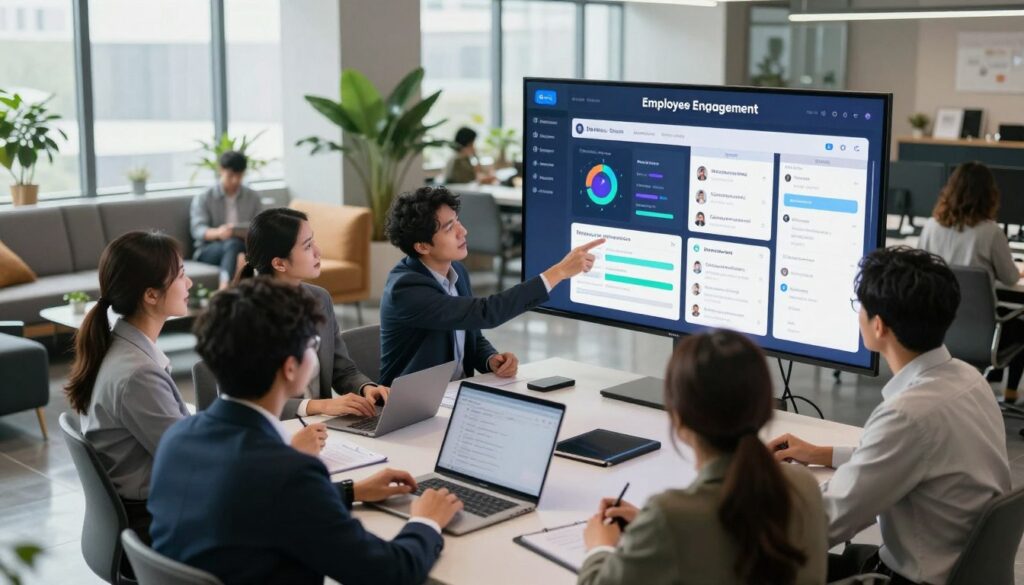
This approach makes providing input feel rewarding. It turns a chore into a positive touchpoint for your culture.
Live Feedback and Pulse Check Solutions
Understanding sentiment as it happens is powerful. Tools like Mentimeter allow your teams to gather live input during meetings.
You can use live polls and word clouds. This gives you an immediate read on the room’s energy and concerns.
Platforms such as Slido specialize in anonymous Q&A sessions. They ensure every voice is heard, even in large or structured organizations.
| Platform | Core Function | Best For |
|---|---|---|
| Kvistly | Interactive, game-like surveys | Boosting participation and fun |
| Mentimeter | Live polls and sentiment checks | Real-time meeting engagement |
| Slido | Anonymous Q&A and discussions | Promoting psychological safety |
These resources help you maintain high engagement with consistent, low-effort touchpoints. They prevent survey fatigue for your dedicated staff members.
Leveraging these solutions fosters a culture of open communication. You enable continuous feedback across all your departments, including remote and hybrid teams.
Recruiting and Hiring Innovations with AI
Your hiring process sets the tone for a candidate’s entire experience with your company, making efficiency and fairness critical. Today’s innovations move far beyond manual resume reviews.
They introduce intelligent systems that streamline sourcing and evaluation. This transforms a time-intensive chore into a strategic advantage.
AI-Assisted Candidate Screening
Platforms like HireVue revolutionize your recruiting process. They analyze video interviews for factors like word choice and confidence.
This ensures a consistent evaluation for every candidate. It removes human inconsistency from early screening stages.
Tools such as Fetcher automate the sourcing of passive candidates. Your recruiting teams can then focus on building relationships instead of manual searches.
Skills-Based and Bias-Aware Hiring Processes
Eightfold AI focuses on matching candidates to roles based on their skills and potential. Starting at $10/month, it helps you look beyond previous job titles.
This skills-based approach promotes objective, data-driven criteria. It actively works to reduce unconscious bias in your hiring decisions.
Implementing these innovations improves your time-to-hire significantly. It also ensures a fair and equitable experience for all job candidates.
Streamlining Onboarding with AI Solutions
The first week on the job is a critical window for building confidence and connection. A smooth welcome experience sets the tone for long-term success and engagement. Modern platforms transform this often chaotic period into a structured, supportive journey.
Automated Onboarding Processes
Intelligent systems create personalized pathways for each new hire. They guide your people through essential paperwork, training modules, and company introductions automatically. This process ensures nothing falls through the cracks.
Your departmental staff is freed from manual checklist management. They can focus on meaningful introductions and mentoring instead. These smart tools handle the logistics so your teams can provide the human touch.
Every employee receives consistent, high-quality information from day one. Standardization is key, whether someone joins remotely or in-office. It builds a fair and equitable foundation for everyone.
You can track progress in real-time and identify any support gaps early. This proactive approach helps new members become productive contributors faster. Effective onboarding solutions are investments in your organization’s future.
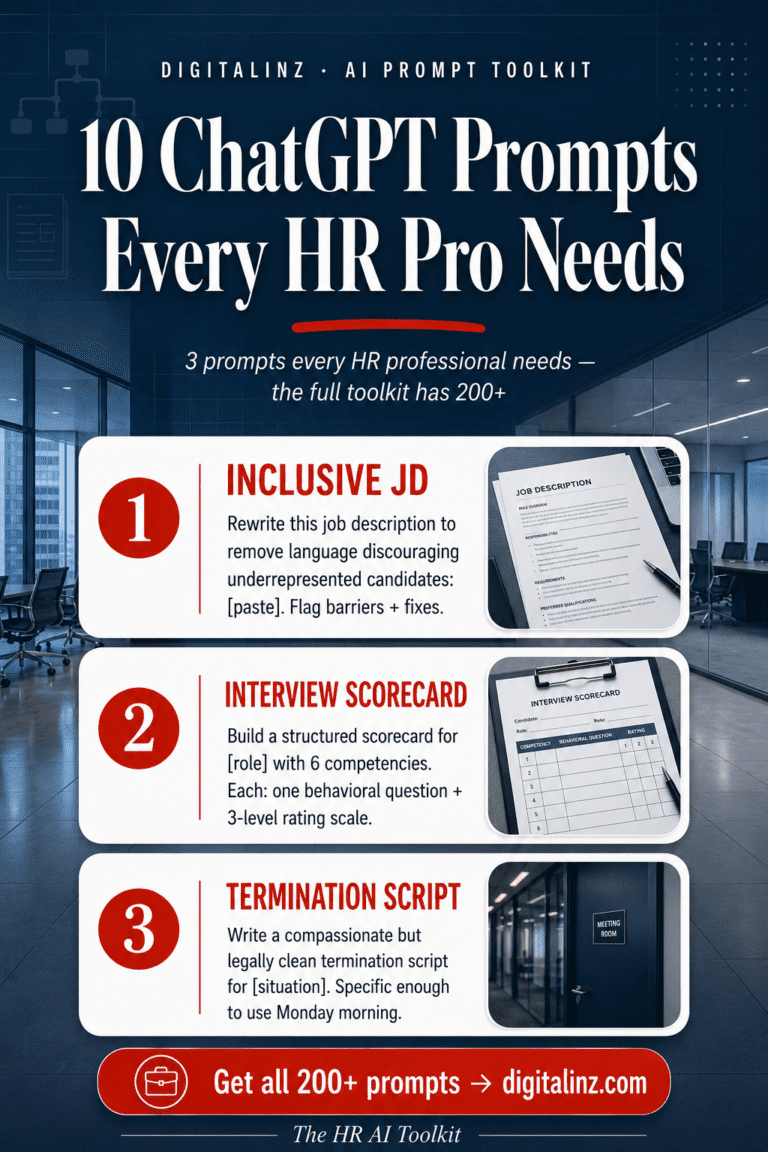
If you’re looking for a shortcut to using AI in your HR day-to-day, the HR AI Toolkit has you covered. It’s 200+ prompts written specifically for HR professionals — for recruiting, onboarding, performance reviews, policies, and more.
Leveraging AI for HR Management & Operations
How much time does your team spend resetting passwords and answering basic policy questions every week? These routine tasks are crucial for smooth operations, but they can drain your department’s energy.
Modern solutions now handle these chores automatically. This lets your people focus on complex strategic work.
AI HR Assistants and Chatbots
Leena AI acts as a 24/7 support assistant. It connects directly to your existing systems to answer common employee questions.
This significantly reduces the volume of routine tickets your support teams receive. Your staff gets time back for more meaningful conversations.
Efficient User Provisioning and Access Management
Controlling system access is a core security function. Synk.to simplifies this by automatically syncing user permissions.
It supports platforms like Google, Slack, and Jira for $1/user/month. This ensures every employee has the correct access levels from day one.
These management tools provide strict control over user provisioning. They keep your internal operations secure and compliant.
| Solution | Primary Function | Key Benefit for Operations |
|---|---|---|
| Leena AI | 24/7 conversational assistant for employee inquiries | Reduces ticket volume, provides instant support |
| Synk.to | Automated user provisioning and access sync | Ensures accurate permissions, enhances security |
By automating these operations, you free your teams for strategic management tasks. This shift is vital for handling your company’s evolving needs.
Implementing these smart tools makes your daily management more efficient. It builds a solid foundation for all other people-focused work.
Integrating AI into Your HR Systems and Workflows
Integrating advanced software into your existing setup doesn’t have to be a disruptive project. A clear plan aligns new capabilities with your current organizational goals. This turns potential friction into smooth operational gains.
You should start by auditing your current platforms. Many existing solutions already have smart features you can activate. This audit saves your teams significant time and avoids unnecessary costs.
Seamless Integration Strategies
True integration ensures your data flows accurately between different platforms. It creates a single, unified view of your workforce. This clarity is essential for informed decision-making.
Connecting your various systems creates a more efficient process. Your departmental teams can then make quick, data-backed decisions. This connectivity is the backbone of modern people operations.
Training your staff on these newly connected tools is crucial. Proper education maximizes the long-term value of your technology investment. It ensures everyone uses the integrated systems effectively.
| Integration Approach | Key Benefit | Ideal Use Case |
|---|---|---|
| API-Based Connections | Enables real-time data sync between apps | Linking your HRIS with performance management software |
| Middleware Platforms | Simplifies connections between many disparate tools | Unifying legacy systems with new cloud applications |
| Native Integrations | Offers pre-built, reliable workflows within a suite | Using an all-in-one platform from a single vendor |
Choosing the right strategy depends on your technical landscape. Each method helps your teams work smarter, not harder. The goal is a cohesive digital environment that supports your people.
AI Tools for Performance, Feedback, and Development
The secret to retaining top talent lies in moving beyond yearly evaluations to ongoing development conversations. Modern platforms transform how you manage employee progress.
They create a culture of continuous improvement. This shift is vital for long-term retention and satisfaction.
Continuous Feedback Loops
Static annual reviews often miss timely coaching moments. New systems establish real-time feedback channels.
Your managers can give and receive input instantly. This helps address issues before they impact morale.

These loops identify trends across your department. You gain insights into coaching opportunities as they arise.
Personalized Growth Plans
Every employee has unique career aspirations. Smart software helps you build individual development paths.
Solutions like Lattice offer robust performance management. Plans start at $11 per seat monthly to track goals and feedback.
This personalization aligns individual ambitions with company objectives. It ensures everyone has a clear route for professional growth.
| Platform | Core Focus | Ideal For |
|---|---|---|
| Lattice | Performance reviews & goal tracking | Organizations building structured feedback cycles |
| General Development Software | Personalized skill & career planning | Companies focusing on individual employee growth |
| Continuous Feedback Apps | Real-time praise & constructive input | Teams needing immediate, ongoing communication |
Using these resources transforms annual reviews into meaningful dialogues. Your teams benefit from consistent support for their development.
Choosing the Right AI Tool: Factors to Consider
Selecting the perfect software for your department involves more than just comparing feature lists. You must evaluate several core elements to ensure a successful implementation.
Budget, Scalability, and Training Needs
Your financial plan sets the foundation. Look for solutions that offer clear value within your allocated resources.
Scalability ensures the platform grows with your company. Avoid systems that require costly overhauls later.
Consider the learning curve for your teams. Proper training supports smooth adoption and maximizes utility.
Ease of Adoption and System Compatibility
Seamless integration with current applications is non-negotiable. It reduces disruption during rollout.
Check for compatibility with your existing infrastructure. This prevents technical conflicts and data silos.
| Factor | Key Consideration | Evaluation Tip |
|---|---|---|
| Budget | Total cost of ownership, including subscriptions and setup | Request detailed pricing models and look for hidden fees |
| Scalability | Ability to handle increased user counts and data volume | Ask about upgrade paths and performance at scale |
| Training Needs | Resources required to get your team proficient | Assess available support materials and onboarding assistance |
| System Compatibility | Integration with your current HRIS and communication tools | Verify API availability and pre-built connectors |
By prioritizing these elements in your selection process, you choose a platform that delivers genuine value. It supports your strategic goals without unnecessary complexity.
The Role of Data Analytics in Enhancing HR Functionality
Gut feelings are no longer enough to guide critical decisions about your workforce. Modern people operations thrive on clear, actionable information. This shift moves your department from reactive guesswork to proactive strategy.
“You can’t manage what you don’t measure. Analytics provides the compass for navigating complex people challenges.”
Advanced systems uncover hidden patterns affecting retention and performance. Your teams can spot trends before they escalate into major issues. This proactive approach safeguards your organizational health.
These powerful resources synthesize complex data into simple, visual reports. You gain insights that are easy to understand and act upon. This clarity supports faster, more confident management choices.
| Intuitive Approach | Data-Driven Approach |
|---|---|
| Decisions based on experience alone | Choices backed by historical data and trends |
| Reactive problem-solving after issues arise | Proactive identification of potential risks |
| Subjective evaluation of program success | Objective measurement of initiative ROI |
Effective data management forms the bedrock of modern operations. It ensures your teams have the right information to drive strategic change. Investing in analytics capabilities demonstrates the clear value of your people programs.
Overcoming Common HR Challenges with AI Tools
Many human resources professionals struggle with repetitive tasks that consume valuable time. These daily operational hurdles can drain your department’s energy and focus. Modern platforms offer a clear path forward to tackle these issues head-on.
Reducing Manual Workloads
Intelligent assistants like Moveworks demonstrate significant impact. They can cut helpdesk tickets and routine administrative chores by over 60%. This automation directly addresses the burden of manual data entry and inquiry management.
Your staff is freed from constant firefighting. They regain hours for strategic projects and meaningful people initiatives. This shift is crucial for improving overall departmental efficiency.
Enhancing Employee Engagement and Satisfaction
When your team isn’t bogged down by paperwork, they can focus on culture. Automating repetitive processes allows for more direct interaction with your people. This leads to stronger relationships and higher job satisfaction.
These solutions provide necessary support for high-volume questions. Every staff member receives timely and accurate information. Consistent support builds trust and reinforces a positive workplace environment.
| Common Challenge | Modern Solution | Direct Outcome |
|---|---|---|
| High volume of routine helpdesk tickets | AI-powered conversational assistants | Over 60% reduction in ticket volume |
| Manual administrative task overload | Automated workflow platforms | Reclaimed time for strategic work |
| Low employee engagement due to slow support | Proactive, self-service tools | Improved satisfaction and faster resolution |
Overcoming these obstacles requires a proactive approach. Using technology to streamline daily operations improves the overall experience for everyone. With the right support, your department can manage modern complexities while keeping a sharp focus on people.
Success Stories: HR Teams Transforming Workflows with AI
Let’s explore how forward-thinking organizations have revolutionized their people operations with smart technology. Their journeys offer a practical blueprint for your own department.
You can learn from their real-world challenges and solutions. These stories highlight the tangible benefits of modern software.
Real-World Examples and Case Studies
A mid-sized tech firm struggled with manual onboarding. Their teams spent hours on paperwork and orientation scheduling.
They implemented an automated platform. This streamlined the entire welcome process for new hires.
A national retail chain faced low employee engagement. Their annual survey participation was below 30%.
They introduced an interactive feedback system. This move dramatically increased response rates and provided real-time sentiment data.
Impact on Productivity and Team Performance
The results were measurable. The tech company reduced onboarding time by 40%. Their teams redirected saved hours into mentorship programs.
The retail chain saw a 50% boost in survey participation. Managers gained actionable insights to improve daily work conditions.
These tools directly enhanced overall performance. They freed staff from repetitive tasks to focus on strategic projects.
| Organization | Primary Challenge | Solution Implemented | Key Outcome |
|---|---|---|---|
| Mid-Sized Tech Firm | Manual, time-consuming onboarding | Automated onboarding platform | 40% faster onboarding; more time for mentorship |
| National Retail Chain | Low engagement survey participation | Interactive feedback system | 50% higher response rates; better manager insights |
| Global Service Company | High volume of routine HR inquiries | AI-powered assistant chatbot | 65% reduction in ticket volume; faster employee support |
Your teams can achieve similar gains. The right tools turn operational friction into strategic momentum.
Conclusion
A human-centric approach, powered by intelligent support, defines the new standard for people operations.
Incorporating modern technology into your strategy is essential. It keeps you competitive and provides crucial support for your teams in a changing world of work.
By carefully selecting the right tools, you streamline your management processes. This lets you focus on what truly matters: your people.
Remember, this technology enhances your capabilities. It does not replace the human element vital for employee engagement and culture.
Start small. Identify your biggest pain points and test solutions offering immediate value.
The future is human-centric and intelligently enhanced. This is your perfect opportunity to elevate your department’s impact starting today.
FAQ
How can AI actually help my human resources department?
What should I look for in an employee engagement platform?
Can these tools help make our hiring process fairer?
How do AI solutions streamline the onboarding experience?
Is it difficult to integrate a new tool with our existing HR systems?
How does data analytics improve HR functionality?
AI is changing HR — and the teams that adapt fastest will have a real edge. The HR AI Toolkit gives you 200+ ready-to-use ChatGPT prompts so you can work smarter, respond faster, and focus on the work that actually matters. Your team will thank you.