
How to manage burnout in therapists private practice
Did you know that over half of your colleagues are struggling right now? A recent survey of 550 mental health professionals found that 52% experienced burnout in the last 12 months.
This isn’t just a personal challenge. It’s a widespread issue affecting a community of over 225,000 U.S. practitioners. The well-being of those who care for others is under immense pressure.
The Great Resignation of 2021 saw 4.5 million people leave their job. This highlights a systemic crisis that now touches your professional life. Your own mental health is the non-negotiable foundation your entire career is built upon.
This guide is here to help. We provide clear, actionable strategies to navigate the complexities of your work. You’ll learn how to sustain your career for the long term.
Our goal is to help you protect your energy while continuing to serve the people who rely on you. By making a few key changes, you can ensure your private practice remains a source of deep fulfillment.
Key Takeaways
- Managing exhaustion is essential for maintaining the quality of care you provide to clients.
- More than half of mental health practitioners reported feeling burned out recently.
- The mass job exits during The Great Resignation signal a broader professional crisis.
- Your personal well-being is the critical base for a successful and sustainable career.
- Implementing specific strategies can help you navigate work challenges effectively.
- Protecting your own health allows you to better serve others every day.
- Aim to transform your professional life into one of purpose and satisfaction.
Understanding Burnout: What Every Therapist Should Know
The term ‘burnout’ is often used, but its clinical definition holds specific meaning for your work. Knowing its features helps you identify it early.
Definition and Key Features
NYC-based clinical psychologist Samantha Gambino, PsyD, defines this state as a combination of emotional and physical exhaustion, detachment, and cynicism. It’s more than just tiredness. It involves a diminished sense of accomplishment, which can lead to persistent feelings of incompetence despite your years of skill.
| Symptom Reported | Percentage of Affected Clinicians | Primary Impact |
|---|---|---|
| Feeling more tired | 76% | Reduced daily energy |
| Needing more rest & recovery | 84% | Compromised personal health |
| Feeling emotionally drained | 64% | Difficulty engaging with clients |
Impact on Your Professional Well-Being
This profound exhaustion directly affects your capacity to care. When most affected professionals report needing more rest, it signals a need for change. Your personal mental health is the foundation of your career.
Understanding these signs is the first step to reclaiming your well-being. It prevents long-term career dissatisfaction. Addressing it is crucial for every therapist dedicated to sustainable work.
Identifying Warning Signs and Symptoms
A significant portion of clinicians report that personal struggles directly influence their therapeutic effectiveness. A 2024 study found 36.7% of psychologists acknowledge their distress harms client care quality.
Recognizing early signals is critical for maintaining your professional standards. Ignoring them can start a difficult cycle.
| Common Warning Sign | Supporting Data | Impact on Your Work |
|---|---|---|
| Emotional & Physical Drain | 39% have trouble with personal activities | Reduces energy for sessions |
| Growing Cynicism | Often appears after a demanding day | Creates distance from clients |
| Diminished Sense of Accomplishment | Linked to persistent fatigue | Undermines professional confidence |
Emotional and Physical Exhaustion
You might feel constantly tired, even after rest. This deep fatigue makes engaging in hobbies or family time hard.
When 39% of practitioners struggle with personal activities, it’s a clear red flag. Your capacity to help others gets compromised by your own depletion.
Detachment and Feelings of Cynicism
Cynical thoughts about your work or clients can surface. This often builds after a long, demanding day.
You may feel emotionally distant during sessions. Monitoring these feelings helps you catch declining engagement early.
Common Causes: Overwork, Isolation, and Administrative Burdens
The daily grind in a solo office can create a perfect storm for professional exhaustion. Several key factors consistently emerge as primary contributors.
High Caseloads and Administrative Tasks
Over half of all clinicians report their schedules are completely filled each day. This leaves little time for essential breaks.
Administrative duties are a major burden. A striking 55% of practitioners cite paperwork and logistics as a primary factor in their fatigue.
| Common Cause | Supporting Data | Direct Effect |
|---|---|---|
| Packed Daily Schedule | Over 50% of clinicians | Chronic time pressure |
| Excessive Paperwork | 55% note it as a key factor | Energy drain away from clients |
| Unsustainable Caseload | 25% say their load is too high | Compromised care quality |

Lack of Peer Support in Private Practice
Working alone often leads to isolation. This is one of the strongest predictors of career dissatisfaction.
Without regular contact with colleagues, managing the emotional weight of daily clinical work becomes much harder. You miss out on shared insights.
Addressing these systemic challenges is essential. Building a sustainable environment requires tackling these root causes.
Self-Care Strategies for Prevention and Recovery
Self-care is not a luxury; it’s a professional necessity for every clinician. Data shows that 86% of practitioners who felt exhausted reported that self-care activities helped them recover. Making your own well-being a priority is the first step toward a sustainable career.
Daily Self-Care Practices
Simple, consistent habits form your foundation. This could mean a daily walk, reading for pleasure, or following a structured checklist like the one from SimplePractice.
These activities are not optional. They are essential for maintaining your personal health and professional energy. Dedicate time each day to recharge.
Engaging in Mindfulness and Therapy
Mindfulness builds resilience against work stress. It helps you stay present and manage emotional weight. Many clinicians also seek their own therapy for support.
In fact, 53% of therapists are currently in treatment for their mental health. This is a powerful strategy for prevention. It models the care you provide.
Establishing a healthy work-life balance allows you to reclaim your personal life. This balance is key to long-term success in your practice.
Practical Strategies for Managing burnout in therapists private practice
Effective management of your professional life hinges on two key adjustments: flexibility and limits. Moving from theory to action can transform your daily experience.
Simple, structural changes to your work flow protect your energy and passion.
Implementing Flexible Work Schedules
Your schedule is a tool you control. Data shows 76% of clinicians found relief by modifying their hours and adding breaks.
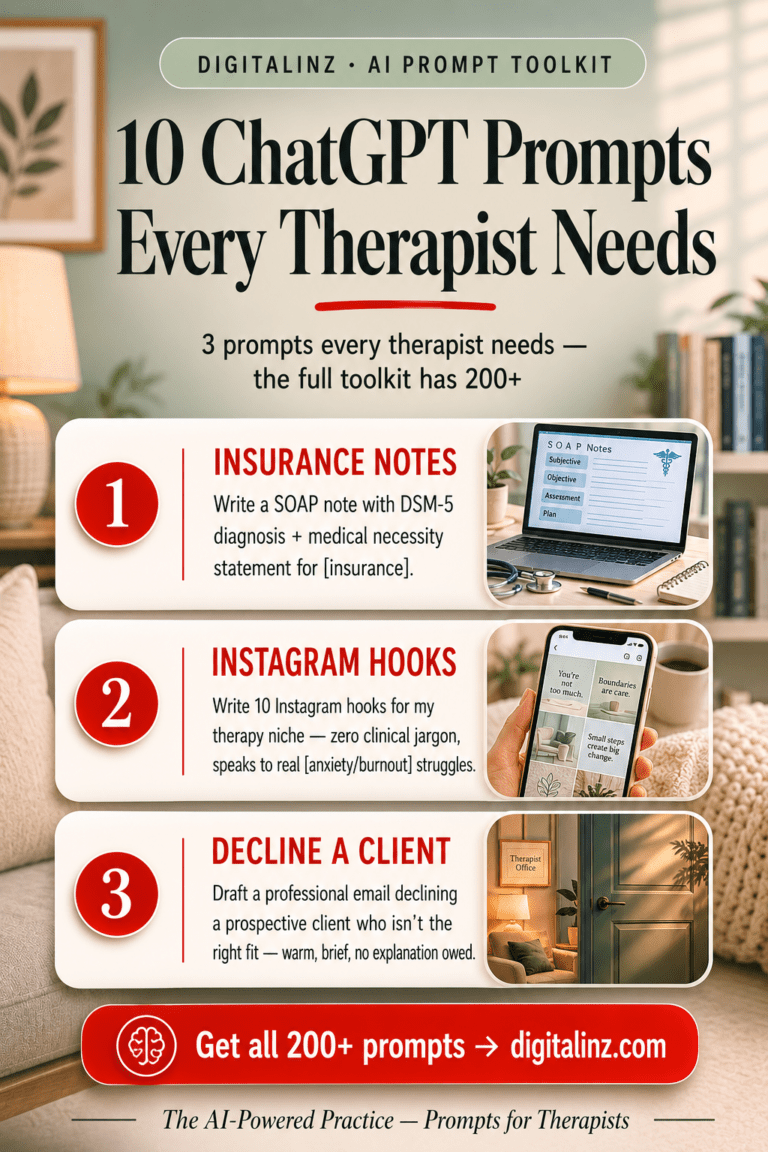
One of the quieter ways to protect your energy is to stop doing manually what AI can help you with. The AI-Powered Practice Prompt Pack takes the admin load off your plate — notes, templates, session prep — so your mental space is reserved for your clients.
This might mean starting later, blocking mid-day time, or ending earlier. When you define your own rhythm, you gain the flexibility to manage sessions effectively.
Setting Clear Client Boundaries
Establishing limits is not about being rigid. It’s about sustainability. A striking 64% of practitioners cite clear boundaries as essential for managing professional burnout.
This includes communication about availability, response times, and the scope of your work. It ensures your office hours are respected.
Your personal time remains sacred.
Streamlining administrative tasks with digital tools frees up mental space. Seeking support from colleagues in consultation groups offers fresh perspective.
Together, these practical steps build a resilient private practice. They help you maintain a career defined by purpose, not exhaustion.
Establishing Boundaries and Optimizing Your Schedule
Your daily schedule holds the power to either drain your energy or replenish it. When six out of ten clinicians say poor work-life balance fuels their exhaustion, structuring your day becomes a critical act of self-preservation.

Creating a Sustainable Routine
Building a resilient routine starts with firm limits. Define your work hours and protect them. This means scheduling administrative tasks in dedicated blocks, so they don’t spill into your personal time.
Since 60% of professionals seek peer support, consider making consultation a regular part of your week. Connecting with colleagues provides fresh perspective and reduces isolation.
Your office environment matters too. A space that promotes calm helps you maintain focus and energy throughout client sessions. A well-structured plan is your strongest shield against professional fatigue.
By prioritizing your health within your workday, you build a career defined by purpose, not depletion. This careful design ensures the longevity of your private practice.
Building and Leveraging a Supportive Professional Network
Connecting with fellow clinicians can transform the isolation of solo work into a collaborative journey. A strong network is vital for your well-being and career longevity.
Data shows that 60% of professionals are actively seeking support from peers. This trend highlights a shift towards shared resilience in the field.
Peer Consultation and Mentorship
Joining a regular peer consultation group is a powerful step. It allows you to share the emotional weight of your work and gain fresh insights.
These meetings provide a safe space to discuss challenging cases. You receive valuable feedback from trusted colleagues who understand your daily reality.
This connection is a proven buffer against professional burnout. It helps maintain your own mental health and clinical sharpness.
Benefits of Community-Based Practice
Shared office spaces offer daily opportunities for spontaneous support and consultation. This model naturally combats the loneliness some feel.
Being around other dedicated professionals creates a unique environment. You can quickly troubleshoot issues, from complex insurance questions to billing logistics.
This collaborative atmosphere saves you time and reduces administrative stress. It fosters a sense of belonging that solo practice often lacks.
By actively fostering these connections, you build a sustainable professional ecosystem. You create an environment where you and your colleagues can truly thrive together.
Enhancing Practice Efficiency Through Technology and Delegation
Adopting smart systems for billing and scheduling can transform how you experience your workday. Leveraging the right tools is a powerful way to reclaim your time and focus on client care.
Utilizing Practice Management Tools
HIPAA-compliant software, like SimplePractice, helps you run a paperless office. One survey respondent noted it greatly reduced stress by handling the administrative side.
This technology saves time on billing and insurance tasks every day. It streamlines your work so you can dedicate more hours to your sessions.
Delegating Administrative Tasks Effectively
Passing routine tasks to others is a key part of maintaining your ability to focus on therapy. It prevents the exhaustion that comes from managing every aspect of your job.
By reducing paperwork, you improve your sense of professional accomplishment. Connecting with other professionals who use similar tools builds a supportive connection.
Implementing these strategies is a proven way to ensure your mental health and overall health remain priorities in your practice.
Conclusion
Creating a professional life that endures requires a thoughtful blend of strategy and self-awareness. This is a continuous journey. Making intentional changes to your work structure protects your energy and the quality of care you offer.
Recognizing early signs helps you safeguard your own mental health. This proactive step is vital for preventing deeper exhaustion.
Remember, seeking support from colleagues is a sign of professional strength. Leveraging tools and building a network are essential for any therapist aiming for a long-term career.
Your private practice should be a space that nurtures both client growth and your personal development. By prioritizing your well-being, you build a practice defined by purpose and resilience for years to come.
FAQ
What are the first signs I might be heading toward exhaustion in my clinical work?
How can I create better separation between my job and my personal life?
Is feeling isolated a common challenge for solo practitioners?
What are some effective ways to reduce my administrative load?
Why is peer consultation so important, and how do I find a group?
How can I make my daily schedule feel more sustainable?
You got into this work to help people — not to drown in paperwork. The AI-Powered Practice gives you a smarter, gentler workflow so you can protect your energy and keep showing up as the therapist you want to be. You deserve that too.